


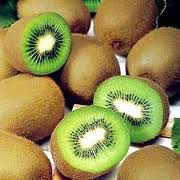
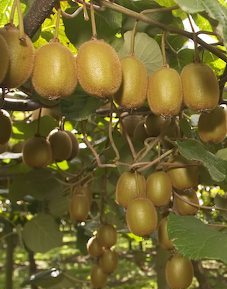
The Kiwi is a fruit of high nutrition value, literary a ”bomb” of vitamins. It is rich in potassium, magnesium, phosphorus, fibers, and trace elements. It has more vitamin C than any other fruit, as well as vitamin B and carotenoids. It is also rich in vitamins A and E.
The presence of so many vitamins makes the Kiwi the best weapon against disease, providing the organism with large amounts of energy at the same time. It removes the danger of thrombosis, ensures proper digestion and the correct function of the intestines. It is rich in lutein, a potent antioxidant that improves sight. Due to this enzyme, spreading kiwi on a steak before grilling it makes it tender.
Nutritional elements of Kiwi (per 100gr of fruit weight)
- Vitamin A 1.75 international units
- Vitamin B 6.1 international units
- Vitamin C 75-203 mg
- Vitamin C 75-203 mg
- Thiamine 0.2-11.1 mg
- Roboflavin 0.05 mg
- Calories 66 Kcal
Production - harvest
Even before the planting of the new orchards, soil analyzes are carried out in order to determine the suitability of the plot. Young licensed seedlings are supplied for planting through officially licensed nurseries.
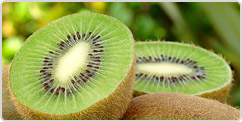
During the winter, the trees are pruned in a traditional way. The orchards are fertilized mainly with the co-cultivation of vetch and the addition of organic compost. Detailed monitoring of the main pests of crops is carried out through pheromone traps. All plant protection interventions are performed with natural plant protection products, with the aim of absolute protection and safety of the consumer, always taking into account the protection of the environment.
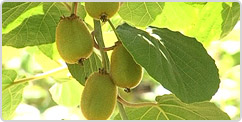
Thinning is a very important work done in late spring and significantly affects the quality of the fruits produced. Dilution is done in the traditional way, ie by hand, without the use of chemicals.
Another important task that is significantly related to quality and is done at almost the same time is the summer pruning of orchards. Summer pruning reduces vegetation and ensures excellent lighting and ventilation conditions of the tree. Therefore, the rays of the life-giving sun easily reach the fruits and give them an excellent color, taste and aroma.
The adoption of the traceability system makes it possible at any time to know where and how each fruit has been produced. Through traceability, each fruit has an identity card and a passport in order to travel to the consumer's table. Kiwis are harvested during the fall (usually October 1-30) by hand workers. The excellent technically trained staff constantly directs and trains the producers, on the desired quality characteristics of the fruits, as a result of which we have beautiful, juicy and aromatic kiwis directly on the consumer's plate.
The experienced staff takes fruit samples from all the plots and in a completely scientific way determines the exact date of harvest, in order to achieve the best possible quality. In summary, for every kiwi that reaches our table, a real construction site has been set up in our fields, to offer you the perfect tasty and nutritious result.
The kiwi can be consumed fresh, in fruit salads and in confectionery. It can also be used to make compote, jam and juice and it can be canned as well.
Kiwis are available from October up to March.
 HellasSITES